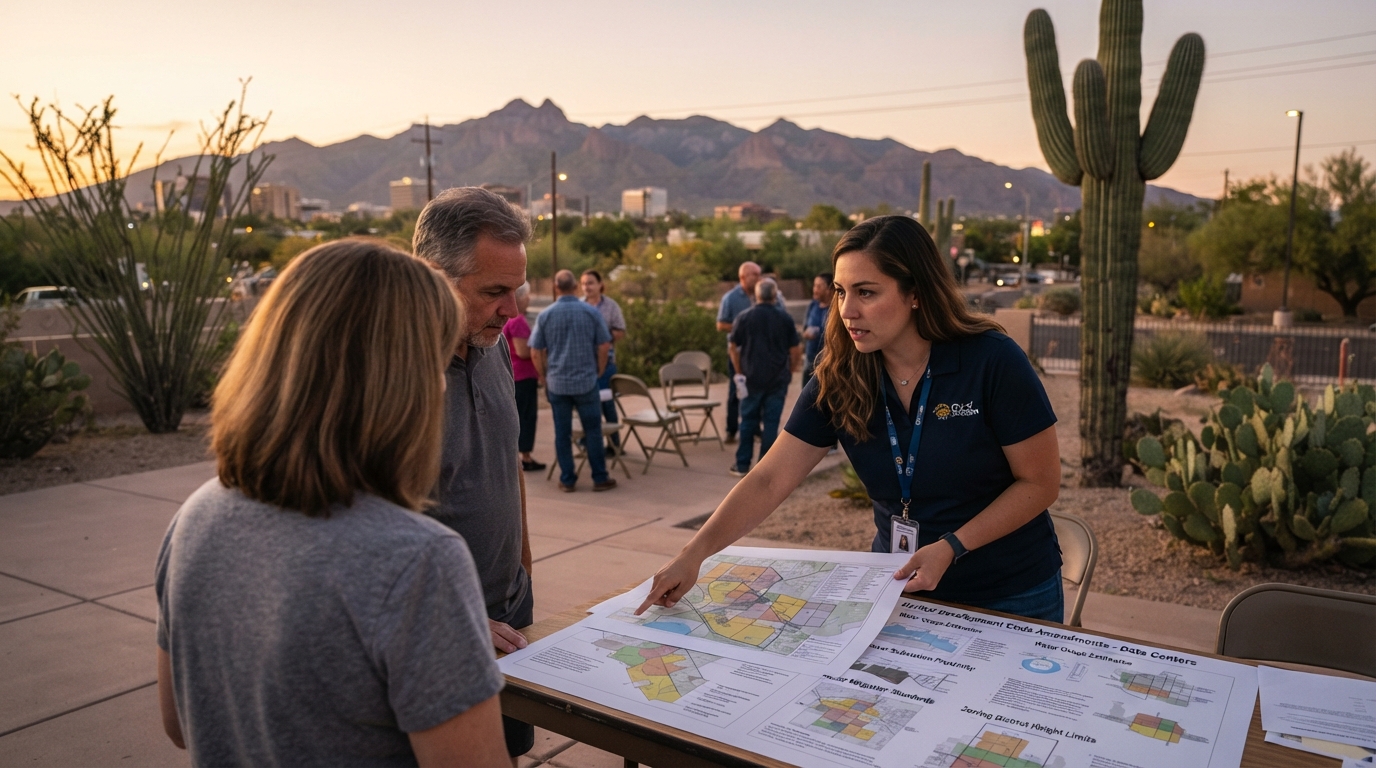
The proposed code amendment would move Tucson from project-by-project reaction toward defined standards for water, power, noise and land use.
Archive note: This report was prepared for Tucson Ahead’s 2026 launch archive using contemporaneous public records and reporting. The date reflects the underlying news event.
What happened
Tucson held public meetings on a proposed Unified Development Code amendment for large-scale data centers. The effort followed intense regional debate about Project Blue and the amount of electricity, water and land that large computing facilities can require. A citywide framework could establish expectations before a developer submits a site-specific proposal.
Why it matters in Tucson
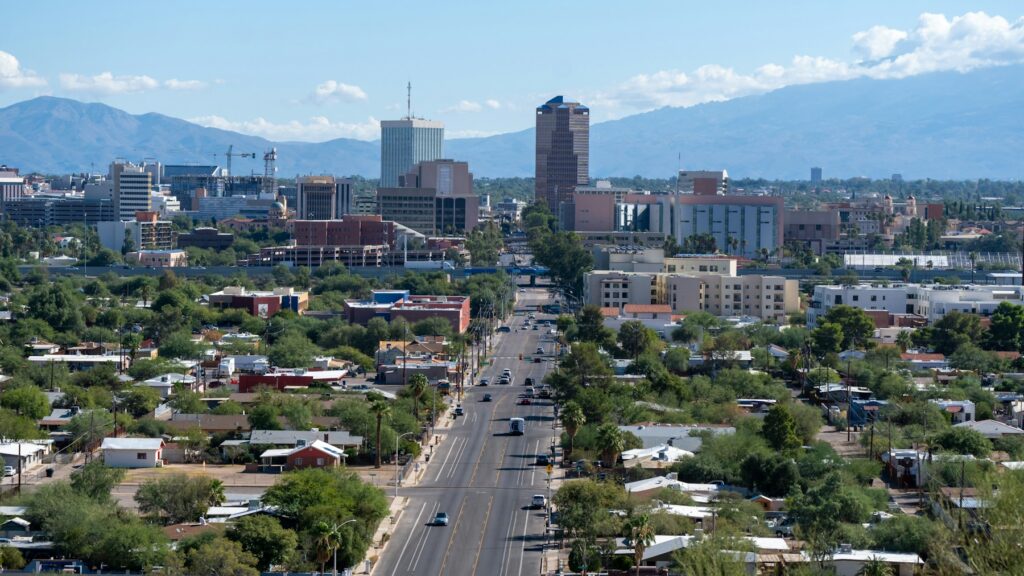
Data centers can bring construction spending and tax revenue while employing relatively few people after completion. Their infrastructure demands can also be unusually concentrated. Tucson therefore needs rules that distinguish ordinary commercial computing from facilities large enough to affect utility planning, neighborhoods and climate commitments.
What to watch next
The final ordinance should define covered facilities, disclosure requirements, noise limits, water standards, backup-generation rules and enforcement. It should also make clear which information remains public when developers claim that operational details are confidential or security-sensitive.
Source and verification: View the underlying report or public record. Tucson Ahead independently rewrote and contextualized this article; no source article text or publisher-owned photography was republished.